Platform comparison
| Platform | YES odds | NO odds | Fee | KYC | Settlement | |
|---|---|---|---|---|---|---|
Polymarket (via PolyGram) Pick polygram.ink (preferred broker) |
32% | 68% | 0% (USDC on-chain) | No-KYC up to $1,500 | USDC, auto via UMA oracle | Trade this market → |
Polymarket (direct) polymarket.com |
32% | 68% | 0% | Geo-blocked in US/UK/EU | USDC, on-chain | Trade this market → |
Kalshi kalshi.com |
— | — | Up to 7% per trade | US-only, KYC required | USD | Trade this market → |
Betfair Exchange betfair.com |
— | — | 2-5% commission | Full KYC from first trade | GBP / EUR | Trade this market → |
Manifold Markets manifold.markets |
— | — | Play-money (mana) | None — play-money | Mana (no cash-out) | Trade this market → |
Outcome probabilities
Current market-implied probability for each outcome, from the live order book.
| Outcome | Probability |
|---|---|
| December 31 | 32% |
| July 31 | 16% |
| June 30 | 1% |
Market context
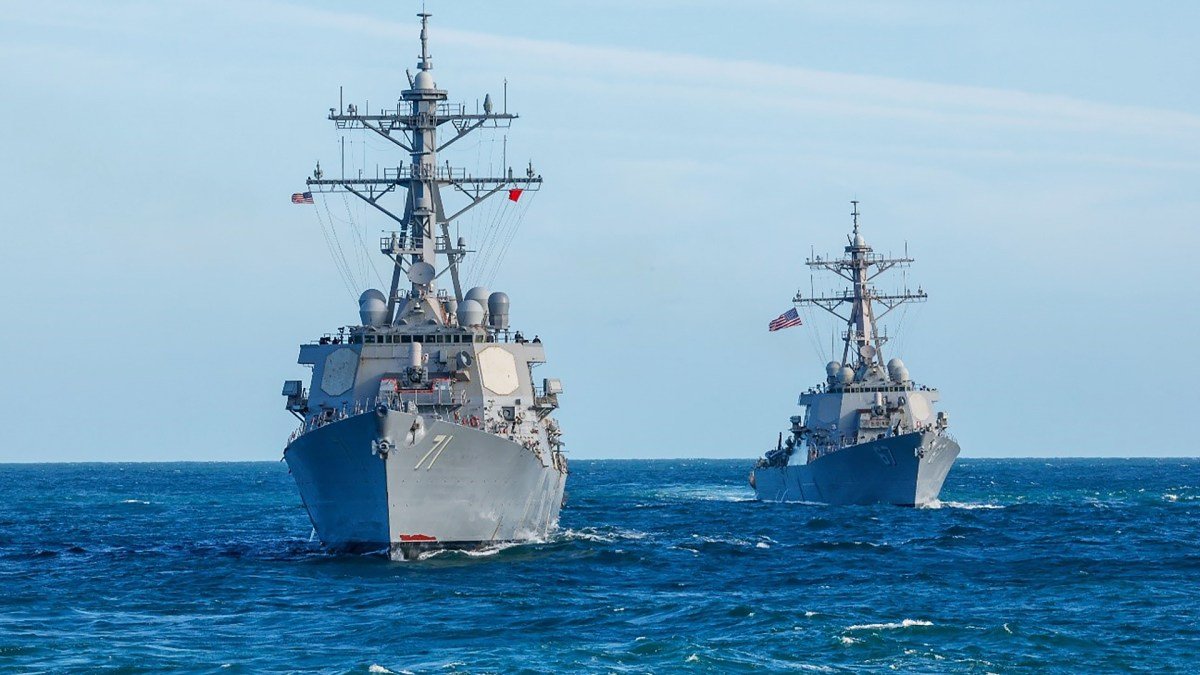
The United States has already publicly announced a naval blockade on Iran, effective 13 April 2026, following the collapse of the Islamabad Talks and the escalation of the 2026 Iran war. This event means the market condition for a "Yes" resolution has technically been met, yet the crowd-implied probability sits at 32% because traders are betting on whether the announcement will be formally recognised as a full, enforceable blockade before the settlement window closes in late 2026. The on-chain mechanics on Polymarket, using USDC on the Polygon network and conditional tokens, are pricing this ambiguity rather than the abstract possibility of a future event.
Historically, naval blockades against Iran lack recent precedent, making this operation largely unprecedented in modern military strategy. The U.S. Central Command clarified that the blockade targets vessels entering or departing Iranian ports rather than intercepting all traffic in the Strait of Hormuz, a distinction that aligns with maritime law constraints on blocking international waterways. Reports indicate at least 34 vessels were redirected in the first days, with Iran’s oil exports plummeting from nearly 2 million barrels per day to under 300,000 bpd by May, resulting in approximately $5.8 billion in lost revenue[6]. However, Iran’s subsequent closure and reopening of the Strait, alongside continued evasion attempts, frame the current probability as a bet on enforcement consistency rather than the initial announcement itself.
Traders should monitor CENTCOM updates on vessel redirections and any formal U.S. government statements confirming the blockade’s scope, particularly regarding the Strait of Hormuz. The recent announcement on 14 June that Trump and Iran reached an agreement to end the war and reopen the Strait, with the blockade set to lift once signed on 19 June, introduces a critical dependency: if the agreement is not signed, the blockade remains active, potentially solidifying the "Yes" outcome[1]. Watch for official White House or Pentagon press releases confirming the blockade’s continuation or termination, as these will directly impact the market’s final resolution before the 2026 deadline.
Methodology
This page is a comparison snapshot: one live quote, four reference venues with their key attributes, and a single execution path — every trade button routes to PolyGram, which mirrors the Polymarket order book directly.
Resolution & payout
Settlement runs on-chain. Polymarket's contract logic separates YES and NO shares as conditional tokens; at resolution the winning share lifts to $1.00 and the losing one to $0. The outcome input comes from the UMA Optimistic Oracle, which secures against bad resolution with a bond + dispute window.
Once finalised, the smart contract pays USDC to the holders' wallets within minutes — no withdrawal fees beyond Polygon network gas. Kalshi settles in USD via CFTC clearance, Betfair in account currency net of commission, Manifold in play-money mana with no cash-out.
FAQ
- Where can I trade this market with the lowest fees?
- Polymarket is geo-blocked in the US/UK/EU. The easiest 0%-fee broker into the same order book is PolyGram. Kalshi charges up to 7% per trade; Betfair Exchange takes 2-5% commission on net winnings.
- What's the difference between YES and NO shares?
- A YES share pays $1.00 if the event happens, $0 otherwise. A NO share pays $1.00 if the event doesn't happen. The market price between 0¢ and 100¢ is the implied probability.
- What does Polymarket cost to trade?
- Polymarket itself charges 0% — the only cost is the Polygon network fee, typically under $0.01 per transaction. Off-chain venues like Kalshi or Betfair charge 2-7% commission.
- Do I need to KYC for this market?
- On Polymarket directly, no — it's wallet-based. Intermediary brokers like PolyGram trigger KYC only above $1,500 of lifetime trading volume; under that you trade pseudonymously with a single wallet address.
- How reliable are the quoted odds?
- The YES/NO percentages are the live mid-prices of the Polymarket order book. On deep markets they move every few seconds; on thinner ones you'll see short plateaus.
%22%2F%3E%3Cpath%20d%3D%22M%206%2066%20A%2026%2026%200%200%201%2058%2066%22%20fill%3D%22%23E6B98D%22%20opacity%3D%220.9%22%2F%3E%3Ccircle%20cx%3D%2232%22%20cy%3D%2226%22%20r%3D%2222%22%20fill%3D%22%23F5CBA7%22%2F%3E%3Cpath%20d%3D%22M%2010%2018%20Q%2016%204%2026%2010%20Q%2020%202%2032%206%20Q%2044%202%2038%2010%20Q%2048%204%2054%2018%22%20stroke%3D%22%2354a9eb%22%20stroke-width%3D%224%22%20fill%3D%22none%22%20stroke-linecap%3D%22round%22%2F%3E%3C%2Fsvg%3E) and
and%22%2F%3E%3Cpath%20d%3D%22M%206%2066%20A%2026%2026%200%200%201%2058%2066%22%20fill%3D%22%23E6B98D%22%20opacity%3D%220.9%22%2F%3E%3Ccircle%20cx%3D%2232%22%20cy%3D%2226%22%20r%3D%2222%22%20fill%3D%22%23F5CBA7%22%2F%3E%3Cpath%20d%3D%22M%2010%2018%20Q%2016%204%2026%2010%20Q%2020%202%2032%206%20Q%2044%202%2038%2010%20Q%2048%204%2054%2018%22%20stroke%3D%22%2354a9eb%22%20stroke-width%3D%224%22%20fill%3D%22none%22%20stroke-linecap%3D%22round%22%2F%3E%3C%2Fsvg%3E)
Trade US announces blockade on Iran by 2026? on PolyGram
Live order book, 0% fees, USDC settlement in seconds.
Open live market →