Platform comparison
| Platform | YES odds | NO odds | Fee | KYC | Settlement | |
|---|---|---|---|---|---|---|
Polymarket (via PolyGram) Pick polygram.ink (preferred broker) |
58% | 42% | 0% (USDC on-chain) | No-KYC up to $1,500 | USDC, auto via UMA oracle | Trade this market → |
Polymarket (direct) polymarket.com |
58% | 42% | 0% | Geo-blocked in US/UK/EU | USDC, on-chain | Trade this market → |
Kalshi kalshi.com |
— | — | Up to 7% per trade | US-only, KYC required | USD | Trade this market → |
Betfair Exchange betfair.com |
— | — | 2-5% commission | Full KYC from first trade | GBP / EUR | Trade this market → |
Manifold Markets manifold.markets |
— | — | Play-money (mana) | None — play-money | Mana (no cash-out) | Trade this market → |
Market context
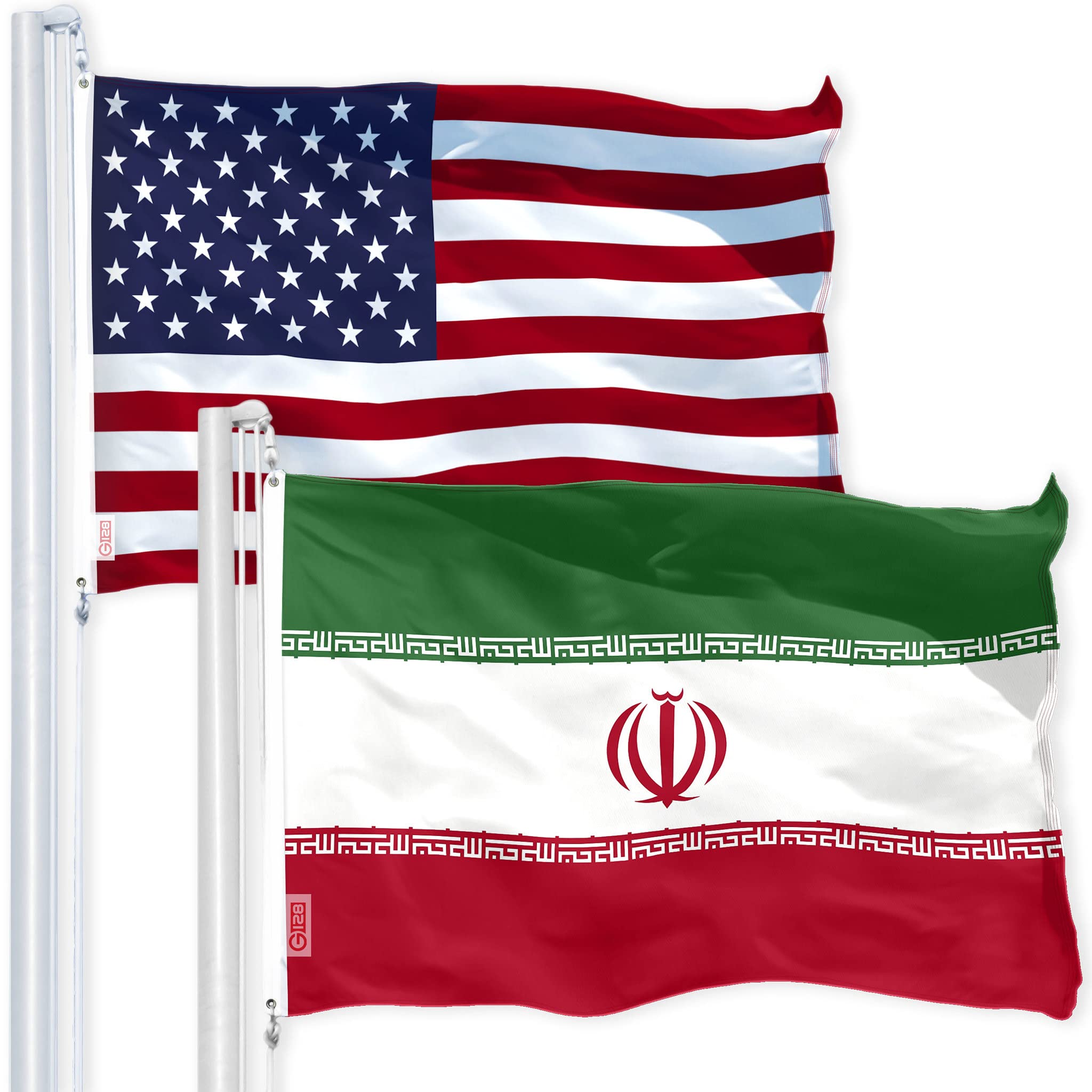
On 14 June 2026, the United States and Iran formally announced a written memorandum of understanding (MOU) establishing a 60-day negotiation window toward a final deal, with the explicit possibility of extension by mutual consent. This on-chain contract on Polymarket, settled in USDC via Polygon using conditional tokens, currently prices a 56% probability that both nations will officially declare an extension before the settlement deadline of 20 August 2026. The market does not speculate on the abstract success of peace talks but resolves strictly on the presence of a declarative, public announcement confirming the extension.
Historical precedents for such diplomatic truces in the Gulf suggest that extensions are common when core issues like uranium enrichment remain unresolved within the initial window. The current ceasefire is already open-ended, meaning the 60-day period functions as a negotiation deadline rather than a hard stop to hostilities, increasing the likelihood of a mutual consent extension if talks stall. Reuters reported on 28 May that the MOU required final endorsement from President Trump, and while electronic signatures were reportedly exchanged by 14 June, the ambiguity surrounding final verification often necessitates further dialogue periods, a pattern seen in previous regional ceasefire frameworks.
Traders must monitor for any declarative statements from US State Department officials or Iranian semi-official channels like Tasnim news agency confirming the extension before mid-August. Key catalysts include the scheduled review of Iran’s highly enriched uranium stockpile and the lifting of the US naval blockade, both central to the MOU’s 14-point text. Axios noted that the Trump administration intends to discuss regional proxy support, including Hezbollah and Houthis, which could complicate negotiations and trigger an extension. Any silence from both capitals by early August, coupled with the unresolved status of the Strait of Hormuz mines, would likely signal a high probability of the market resolving to “Yes”.
Methodology
We track US-Iran 60 day negotiation period extended? across the five venues with material prediction-market liquidity. The probability shown is the live Polymarket mid; the comparison rows summarise how each venue treats the underlying contract — fees, KYC thresholds, settlement currency, deposit options. The highlighted row marks the cheapest route into Polymarket's order book.
Resolution & payout
Polymarket-based markets settle through the UMA Optimistic Oracle on Polygon. A proposer submits the outcome, a two-hour challenge window opens, and unchallenged proposals finalise the resolution. Payouts settle automatically in USDC the moment the result is final — no bookmaker, no delay.
Kalshi-based markets settle in USD via the CFTC-regulated clearinghouse. Betfair Exchange settles in GBP/EUR net of commission. Manifold is play-money and does not pay out real funds.
FAQ
- Is this market available outside the US?
- Polymarket itself is geo-blocked in the US/UK/EU. Always check the legal status of prediction markets in your jurisdiction before trading.
- How does resolution work?
- Through the UMA Optimistic Oracle on Polygon: a proposer submits the outcome, a two-hour challenge window opens, and USDC payouts settle automatically once the result is final.
- What's the difference between YES and NO shares?
- A YES share pays $1.00 if the event happens, $0 otherwise. A NO share pays $1.00 if the event doesn't happen. The market price between 0¢ and 100¢ is the implied probability.
- What does Polymarket cost to trade?
- Polymarket itself charges 0% — the only cost is the Polygon network fee, typically under $0.01 per transaction. Off-chain venues like Kalshi or Betfair charge 2-7% commission.
- How fast are USDC deposits?
- Polygon credits deposits after 12 confirmations — usually under 30 seconds. Withdrawals follow the same path and land back in your wallet within minutes.
%22%2F%3E%3Cpath%20d%3D%22M%206%2066%20A%2026%2026%200%200%201%2058%2066%22%20fill%3D%22%23E6B98D%22%20opacity%3D%220.9%22%2F%3E%3Ccircle%20cx%3D%2232%22%20cy%3D%2226%22%20r%3D%2222%22%20fill%3D%22%23F5CBA7%22%2F%3E%3Cpath%20d%3D%22M%2010%2018%20Q%2016%204%2026%2010%20Q%2020%202%2032%206%20Q%2044%202%2038%2010%20Q%2048%204%2054%2018%22%20stroke%3D%22%2354a9eb%22%20stroke-width%3D%224%22%20fill%3D%22none%22%20stroke-linecap%3D%22round%22%2F%3E%3C%2Fsvg%3E) and
and%22%2F%3E%3Cpath%20d%3D%22M%206%2066%20A%2026%2026%200%200%201%2058%2066%22%20fill%3D%22%23E6B98D%22%20opacity%3D%220.9%22%2F%3E%3Ccircle%20cx%3D%2232%22%20cy%3D%2226%22%20r%3D%2222%22%20fill%3D%22%23F5CBA7%22%2F%3E%3Cpath%20d%3D%22M%2010%2018%20Q%2016%204%2026%2010%20Q%2020%202%2032%206%20Q%2044%202%2038%2010%20Q%2048%204%2054%2018%22%20stroke%3D%22%2354a9eb%22%20stroke-width%3D%224%22%20fill%3D%22none%22%20stroke-linecap%3D%22round%22%2F%3E%3C%2Fsvg%3E)
Trade US-Iran 60 day negotiation period extended? on PolyGram
Live order book, 0% fees, USDC settlement in seconds.
Open live market →